
Pregnancy is one of the most transformative journeys in a woman’s life. Ensuring the health and well-being of both the mother and the baby during this period is crucial—and that’s where antenatal care plays a vital role.
But what exactly are the objectives of antenatal care, and why is it so important?
In this comprehensive guide, we’ll break down the purpose, importance, and key goals of antenatal care, helping you understand how proper pregnancy care can lead to a safer and healthier childbirth experience.
What Is Antenatal Care?
Antenatal care refers to the regular medical check-ups, screenings, and guidance provided to a pregnant woman throughout her pregnancy. It focuses on monitoring the health of both mother and baby while preventing potential complications.
These visits typically include:
- Health assessments
- Nutritional advice
- Ultrasound scans
- Emotional support
- Preparation for childbirth
Why Are the Objectives of Antenatal Care Important?
The primary goal of antenatal care is simple: to ensure a healthy pregnancy and a safe delivery. However, the objectives go far beyond that.
Understanding these objectives helps expecting mothers:
- Stay informed about their health
- Detect complications early
- Prepare physically and mentally for childbirth
- Reduce risks for both mother and baby
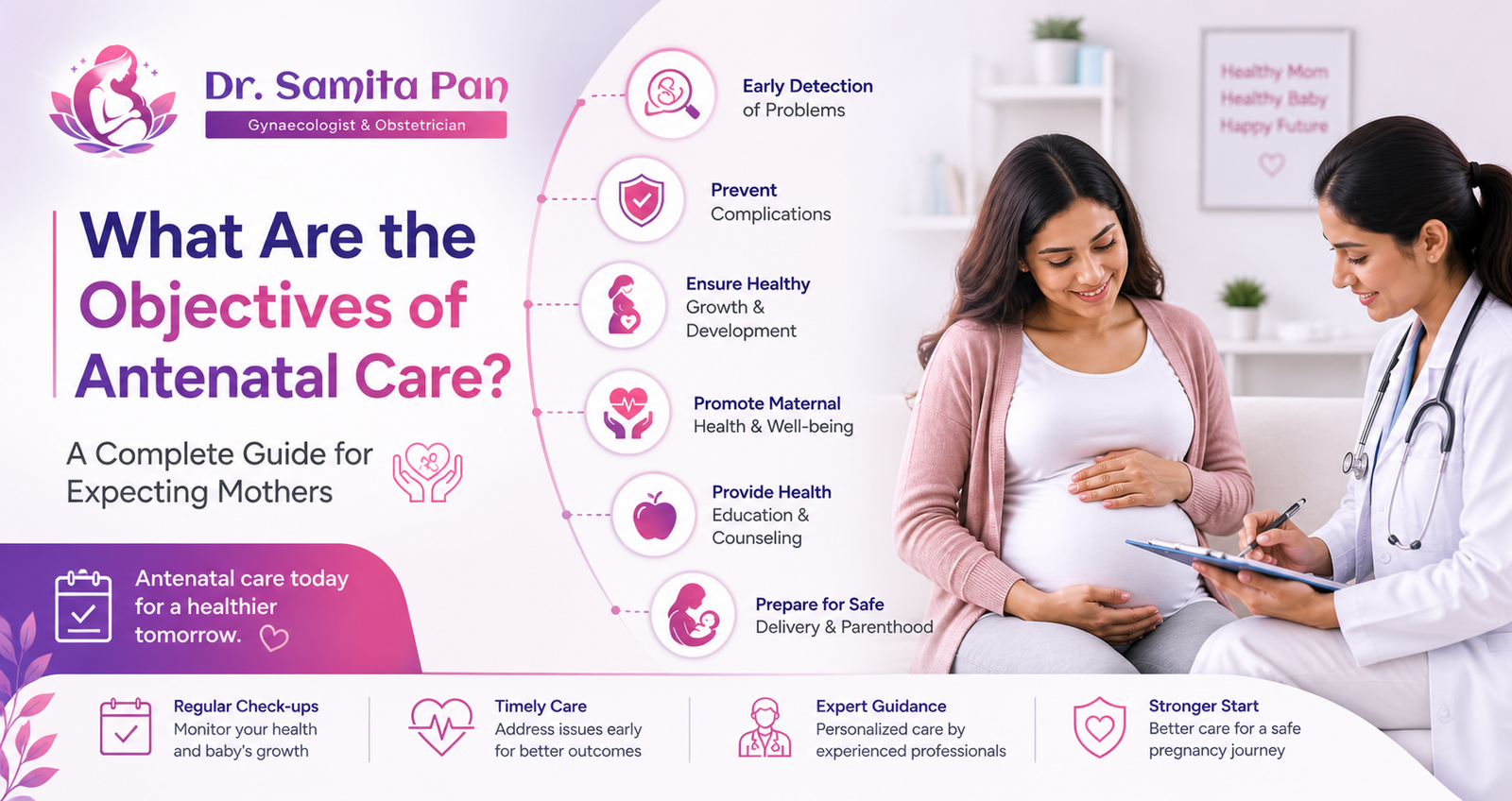
Top Objectives of Antenatal Care
Let’s explore the core objectives of antenatal care in detail:
1. Early Detection and Management of Pregnancy Complications
One of the most critical objectives is to identify potential health risks early.
Common conditions monitored include:
- Gestational diabetes
- High blood pressure (preeclampsia)
- Anemia
- Infections
Early diagnosis allows doctors to manage these conditions effectively, reducing risks during pregnancy and delivery.
2. Monitoring Fetal Growth and Development
Antenatal care ensures that the baby is developing normally.
This includes:
- Measuring fetal growth
- Monitoring heartbeat
- Conducting ultrasound scans
Regular check-ups help detect issues like:
- Growth restriction
- Congenital abnormalities
- Placental problems
3. Promoting Maternal Health
The mother’s health directly affects the baby’s well-being.
Antenatal care focuses on:
- Maintaining proper nutrition
- Managing weight gain
- Monitoring vital signs
- Addressing physical discomforts
Healthy mothers are more likely to have smooth pregnancies and safer deliveries.
4. Providing Nutritional Guidance
Proper nutrition is essential during pregnancy.
Healthcare providers guide mothers on:
- Balanced diet plans
- Essential vitamins like folic acid and iron
- Hydration needs
This helps prevent:
- Nutritional deficiencies
- Low birth weight
- Developmental issues in the baby
5. Preventing and Managing Infections
Another key objective is to protect both mother and baby from infections.
Routine tests screen for:
- Urinary infections
- HIV
- Hepatitis
- Other communicable diseases
Vaccinations may also be recommended to ensure safety during pregnancy.
6. Educating Mothers About Pregnancy and Childbirth
Antenatal care is not just medical—it’s educational.
Mothers receive guidance on:
- Pregnancy stages
- Warning signs
- Labor and delivery process
- Breastfeeding techniques
This knowledge helps reduce anxiety and builds confidence.
7. Preparing for Safe Delivery
Planning for childbirth is a crucial objective.
Doctors help mothers:
- Choose the right delivery method
- Understand labor signs
- Prepare a birth plan
This ensures timely medical intervention when needed.
8. Providing Emotional and Psychological Support
Pregnancy can be emotionally challenging.
Antenatal care includes:
- Counseling
- Stress management advice
- Support for mental well-being
This helps prevent:
- Anxiety
- Depression
- Emotional stress
9. Reducing Maternal and Infant Mortality Rates
One of the broader public health objectives is to reduce deaths related to pregnancy and childbirth.
Regular antenatal care significantly lowers the risk of:
- Complications during labor
- Premature birth
- Infant mortality
10. Encouraging Healthy Lifestyle Choices
Antenatal care promotes habits that benefit both mother and baby.
This includes:
- Avoiding smoking and alcohol
- Regular exercise
- Adequate rest
Healthy choices lead to better pregnancy outcomes.
Importance of Antenatal Care
The importance of antenatal care cannot be overstated. It plays a key role in ensuring a smooth pregnancy journey.
Key Benefits:
- Early risk detection
- Improved maternal health
- Better fetal development
- Reduced complications
- Increased chances of normal delivery
In simple terms, antenatal care acts as a protective shield for both mother and baby.
Purpose of Antenatal Care
The purpose of antenatal care aligns closely with its objectives but focuses more on the broader vision.
Main Purpose Includes:
- Ensuring a healthy pregnancy
- Supporting safe childbirth
- Promoting long-term health of mother and child
- Providing education and awareness
It’s not just about treatment—it’s about prevention, preparation, and care.
Recommended Antenatal Visit Schedule
To achieve the objectives effectively, regular visits are essential.
Typical Schedule:
- First Trimester: Monthly visits
- Second Trimester: Every 2–4 weeks
- Third Trimester: Weekly visits (closer to delivery)
Your doctor may adjust this schedule based on your health condition.
(FAQs)
1. What are the main objectives of antenatal care?
The main objectives include:
- Monitoring maternal and fetal health
- Detecting complications early
- Providing nutritional and medical support
- Preparing for safe delivery
2. Why is antenatal care important during pregnancy?
It helps ensure a healthy pregnancy by:
- Reducing risks
- Detecting problems early
- Supporting proper fetal development
3. What is the purpose of antenatal visits?
Antenatal visits aim to:
- Track pregnancy progress
- Provide medical guidance
- Prepare mothers for childbirth
4. How many antenatal visits are required?
Typically, at least 4–8 visits are recommended, though more may be needed for high-risk pregnancies.
5. When should antenatal care begin?
It should begin as soon as pregnancy is confirmed, ideally within the first trimester.
Common Mistakes to Avoid During Pregnancy
Even with proper care, some common mistakes can affect pregnancy health:
- Skipping antenatal appointments
- Ignoring symptoms like swelling or headaches
- Poor diet or nutritional neglect
- Self-medication without consulting a doctor
Avoiding these ensures better outcomes.
Tips for Maximizing the Benefits of Antenatal Care
To get the most out of your antenatal care:
- Attend all scheduled visits
- Follow your doctor’s advice
- Maintain a balanced diet
- Stay physically active (as recommended)
- Communicate openly about any concerns
Conclusion
Understanding the objectives of antenatal care empowers expecting mothers to take control of their pregnancy journey.
From early detection of complications to emotional support and delivery planning, antenatal care covers every aspect needed for a safe and healthy pregnancy.
If you’re expecting or planning to conceive, prioritizing antenatal care is one of the best decisions you can make—for both you and your baby.
Read More:
- Best Gynecologist in Kolkata for Pregnancy: Your Complete Guide to Expert Care
- Who is the Best Gynecologist in Phoolbagan in Kolkata ?
- Early Pregnancy Scan: Step-by-Step Guide for Expecting Moms
Visit Us: