
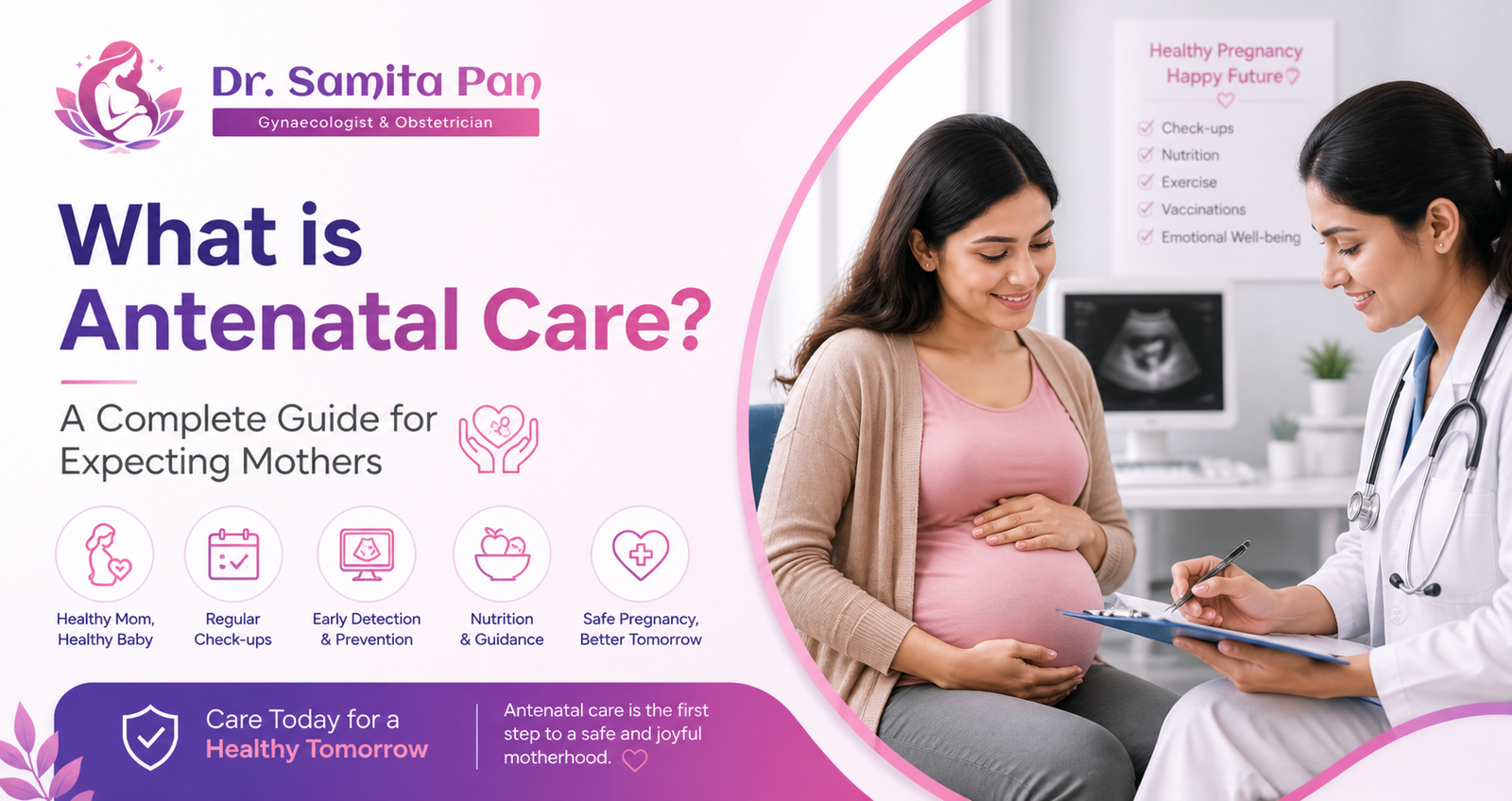
Pregnancy is a beautiful journey—but it also comes with responsibility, awareness, and the need for proper medical attention. One of the most important aspects of a healthy pregnancy is antenatal care. Whether you’re a first-time mother or planning your next pregnancy, understanding antenatal care can make a significant difference in both maternal and baby health.
In this detailed guide, we’ll explore the antenatal care definition, introduction of antenatal care, antenatal visits, and everything you need to know to ensure a safe and smooth pregnancy journey.
Antenatal Care Definition
Antenatal care refers to the routine health care, check-ups, and medical supervision a woman receives during pregnancy. It focuses on monitoring the health of both the mother and the developing baby, preventing complications, and preparing for childbirth.
In simple terms, antenatal care ensures:
- A healthy pregnancy
- Early detection of risks
- Proper fetal development
- Safe delivery planning
Introduction of Antenatal Care
The concept of antenatal care has evolved over time as medical science has advanced. Earlier, pregnancy care was limited to basic observation, but today it includes:
- Regular medical check-ups
- Diagnostic tests and screenings
- Nutritional guidance
- Emotional and psychological support
- Birth planning and education
Modern antenatal care is designed to reduce maternal and infant mortality rates and improve overall pregnancy outcomes.
Why is Antenatal Care Important?
Antenatal care is not just about doctor visits—it’s about ensuring safety and preparedness at every stage of pregnancy.
Key Benefits:
- Early detection of complications like high blood pressure, diabetes, or anemia
- Monitoring fetal growth and development
- Guidance on nutrition and lifestyle
- Vaccinations to protect mother and baby
- Emotional reassurance and counseling
Skipping antenatal care can increase the risk of complications, making regular check-ups essential.
When Should Antenatal Care Begin?
Antenatal care should ideally begin as soon as pregnancy is confirmed—preferably within the first 6–8 weeks.
Early care helps:
- Confirm the pregnancy
- Estimate due date
- Identify any existing health conditions
- Start essential supplements like folic acid
Antenatal Visits Schedule
Regular antenatal visits are crucial throughout pregnancy. While schedules may vary slightly, a general guideline is:
First Trimester (0–12 weeks)
- 1–2 visits
- Pregnancy confirmation
- Blood tests, urine tests
- Ultrasound scan
Second Trimester (13–28 weeks)
- Visits every 4 weeks
- Growth monitoring
- Anomaly scan (detailed ultrasound)
Third Trimester (29–40 weeks)
- Visits every 2–3 weeks, then weekly
- Monitoring baby position and heart rate
- Preparing for delivery
What Happens During Antenatal Visits?
Each antenatal visit is designed to monitor both mother and baby.
Common Check-Ups Include:
- Blood pressure measurement
- Weight monitoring
- Urine tests
- Blood tests
- Fetal heartbeat check
- Ultrasound scans
Additional Care:
- Dietary advice
- Exercise recommendations
- Mental health support
- Birth preparation guidance
Essential Tests in Antenatal Care
Regular tests help detect potential risks early.
Important Tests Include:
- Blood group and hemoglobin test
- Blood sugar test (gestational diabetes screening)
- Thyroid function test
- Ultrasound scans
- Screening for infections
These tests ensure timely intervention if any complications arise.
Nutrition in Antenatal Care
A healthy diet plays a major role in antenatal care.
Essential Nutrients:
- Folic Acid: Prevents birth defects
- Iron: Prevents anemia
- Calcium: Supports bone development
- Protein: Helps fetal growth
- Vitamins: Boost immunity
Foods to Include:
- Green leafy vegetables
- Fruits and nuts
- Dairy products
- Whole grains
- Lean proteins
Foods to Avoid:
- Raw or undercooked food
- Excess caffeine
- Alcohol and smoking
Lifestyle Tips During Antenatal Care
Maintaining a healthy lifestyle is equally important.
Do’s:
- Stay physically active (light exercise, walking)
- Get enough rest
- Stay hydrated
- Practice stress management
Don’ts:
- Avoid heavy lifting
- Avoid self-medication
- Avoid exposure to harmful chemicals
Common Pregnancy Symptoms Monitored in Antenatal Care
Antenatal care helps track normal and abnormal symptoms.
Normal Symptoms:
- Nausea and vomiting
- Fatigue
- Back pain
- Mild swelling
Warning Signs (Consult Doctor Immediately):
- Severe abdominal pain
- Heavy bleeding
- High fever
- Reduced fetal movement
- Severe headaches or vision issues
Role of Antenatal Care in High-Risk Pregnancy
Some pregnancies require extra attention and monitoring.
High-Risk Factors:
- Age below 18 or above 35
- High blood pressure or diabetes
- Multiple pregnancies (twins/triplets)
- Previous pregnancy complications
Antenatal care ensures:
- Specialized monitoring
- Frequent check-ups
- Early medical intervention
Emotional and Mental Health Support
Pregnancy is not just physical—it’s emotional too.
Antenatal care includes:
- Counseling sessions
- Stress and anxiety management
- Partner and family involvement
- Preparing for postpartum changes
Mental well-being is crucial for both mother and baby.
Preparing for Delivery Through Antenatal Care
As the due date approaches, antenatal care focuses on delivery planning.
Preparation Includes:
- Choosing hospital or clinic
- Understanding labor signs
- Preparing a birth plan
- Packing hospital essentials
- Learning breastfeeding basics
FAQs:
1. What is the main purpose of antenatal care?
The main purpose is to ensure the health and safety of both mother and baby during pregnancy through regular monitoring and early detection of complications.
2. How many antenatal visits are required?
Typically, at least 8 antenatal visits are recommended for a healthy pregnancy, but it may vary based on individual conditions.
3. When should I start antenatal care?
You should start as soon as pregnancy is confirmed, ideally within the first trimester.
4. What happens if antenatal care is missed?
Missing antenatal care can increase the risk of undetected complications, affecting both mother and baby.
5. Is antenatal care necessary for all pregnancies?
Yes, even healthy pregnancies require regular antenatal check-ups to ensure everything is progressing normally.
Conclusion
Antenatal care is the foundation of a healthy and safe pregnancy. From early diagnosis to delivery preparation, it ensures both mother and baby receive the best possible care.
Regular antenatal visits, proper nutrition, lifestyle management, and emotional support together create a strong support system for expecting mothers.
If you’re pregnant or planning to conceive, prioritizing antenatal care is one of the most important steps you can take for a healthy future—for both you and your baby.
About Dr. Samita Pan
With a patient-centric approach and expertise in maternal healthcare, Dr. Samita Pan provides comprehensive antenatal care tailored to each individual’s needs. From routine check-ups to high-risk pregnancy management, the focus remains on ensuring a safe, comfortable, and healthy pregnancy journey.
Read More:
- Best Gynecologist in Kolkata for Pregnancy: Your Complete Guide to Expert Care
- Who is the Best Gynecologist in Phoolbagan in Kolkata ?
- Early Pregnancy Scan: Step-by-Step Guide for Expecting Moms
Visit Us: