
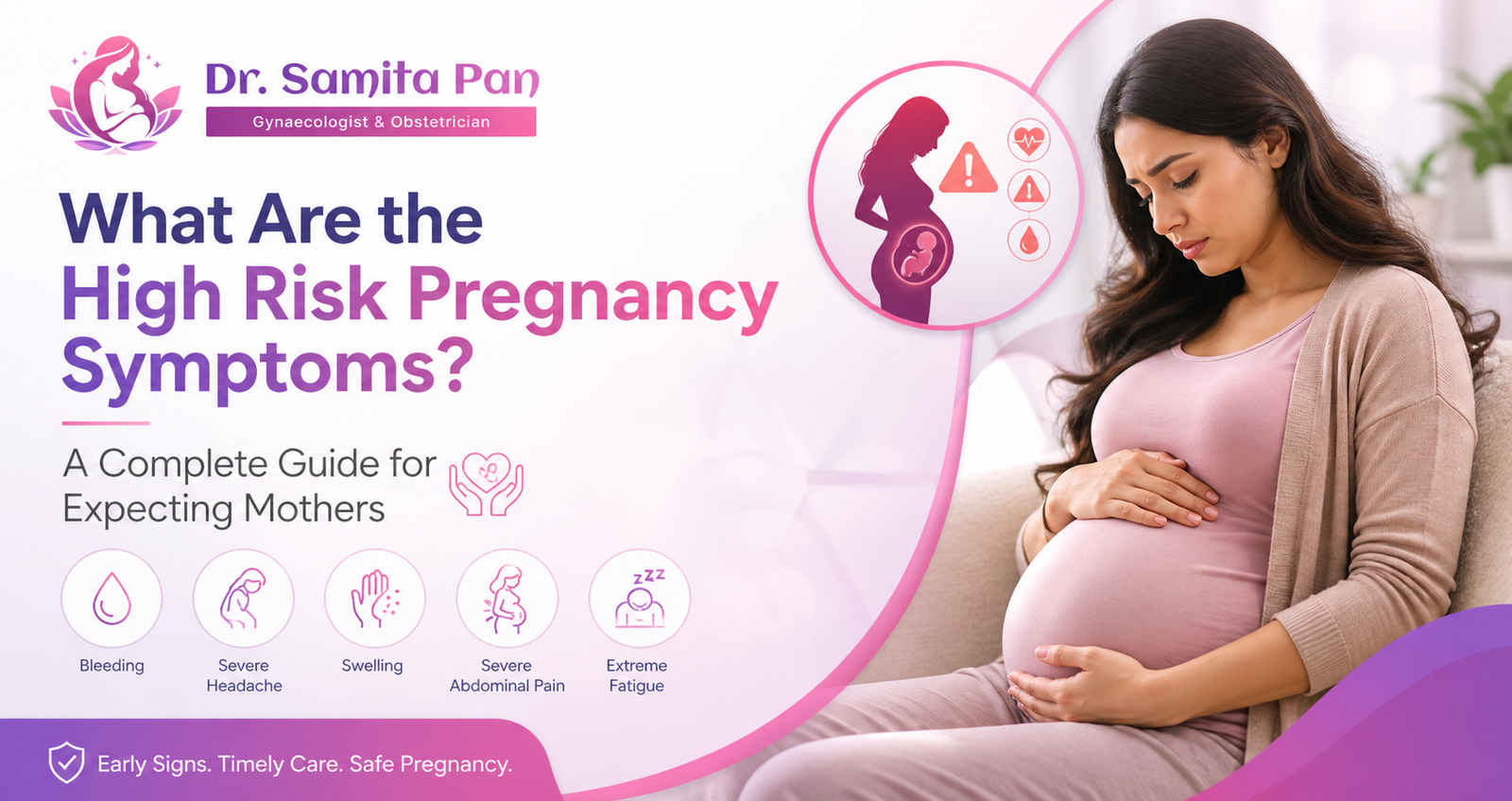
Pregnancy is one of the most beautiful journeys in a woman’s life—but for some, it may come with added medical concerns. Understanding high risk pregnancy symptoms early can make a crucial difference in ensuring both maternal and fetal health.
In this comprehensive guide, we’ll break down everything you need to know—from warning signs and causes to the management of high risk pregnancy—so you can stay informed, prepared, and confident throughout your journey.
What is a High Risk Pregnancy?
A high-risk pregnancy is one where the health of the mother, baby, or both is at increased risk due to certain medical conditions, age factors, or complications that arise during pregnancy.
While many women with high-risk pregnancies go on to deliver healthy babies, early detection and proper medical care are essential.
High Risk Pregnancy Symptoms You Should Never Ignore
Recognizing symptoms early is the key to preventing complications. Here are the most important high risk pregnancy symptoms to watch out for:
1. Severe Abdominal Pain or Cramping
Mild discomfort is common, but intense or persistent abdominal pain could indicate serious issues like ectopic pregnancy or placental problems.
2. Heavy Vaginal Bleeding
Spotting can be normal in early pregnancy, but heavy bleeding with clots is a red flag and requires immediate medical attention.
3. Severe Headaches & Blurred Vision
These symptoms may indicate preeclampsia, a dangerous condition characterized by high blood pressure.
4. Swelling in Hands, Face, or Feet
Sudden and excessive swelling—especially in the face—can be another sign of preeclampsia.
5. Reduced Baby Movement
If you notice a decrease in fetal movement, it may signal distress and should not be ignored.
6. Persistent Vomiting
Extreme nausea beyond typical morning sickness (hyperemesis gravidarum) can lead to dehydration and nutritional deficiencies.
7. High Fever
A fever above 101°F during pregnancy can indicate infection, which may harm the baby.
8. Pain or Burning During Urination
This may suggest a urinary tract infection (UTI), which, if untreated, can lead to complications.
What Causes High Risk Pregnancy?
Understanding the causes of high risk pregnancy helps in prevention and better management. These can be broadly categorized into:
1. Maternal Health Conditions
- Diabetes
- High blood pressure
- Thyroid disorders
- Heart disease
- Obesity
2. Pregnancy-Related Complications
- Multiple pregnancy (twins or more)
- Placenta previa
- Gestational diabetes
- Preeclampsia
3. Lifestyle Factors
- Smoking
- Alcohol consumption
- Poor nutrition
- Lack of prenatal care
4. Medical History
- Previous miscarriages
- Preterm labor history
- Previous cesarean deliveries
High Risk Pregnancy Age: Does Age Matter?
Yes, age plays a significant role in pregnancy risks.
Pregnancy Under 17
Teenage pregnancies may face risks like anemia, premature birth, and low birth weight.
Pregnancy After 35
Often referred to as advanced maternal age, pregnancies after 35 have higher chances of:
- Chromosomal abnormalities
- Gestational diabetes
- High blood pressure
However, with proper monitoring and expert care, women above 35 can have healthy pregnancies.
How is High Risk Pregnancy Diagnosed?
Doctors typically identify high-risk pregnancies through:
- Detailed medical history
- Blood tests and urine analysis
- Ultrasound scans
- Genetic screening tests
- Blood pressure monitoring
Regular prenatal visits are essential for early detection.
Management of High Risk Pregnancy
Proper management of high risk pregnancy ensures better outcomes. Here’s how it is typically handled:
1. Frequent Prenatal Checkups
High-risk pregnancies require more frequent visits to monitor both mother and baby closely.
2. Medication & Treatment
Depending on the condition, doctors may prescribe medications for blood pressure, diabetes, or infections.
3. Lifestyle Modifications
- Balanced diet
- Adequate rest
- Avoiding harmful substances
- Stress management
4. Specialized Care
In some cases, referral to a maternal-fetal medicine specialist may be necessary.
5. Monitoring Baby’s Growth
Regular ultrasounds and fetal monitoring ensure the baby is developing properly.
Can High Risk Pregnancy Be Prevented?
While not all cases can be prevented, many risks can be minimized by:
- Planning pregnancy at a healthy age
- Managing pre-existing medical conditions
- Taking prenatal vitamins (like folic acid)
- Maintaining a healthy weight
- Avoiding alcohol and smoking
- Regular prenatal checkups
When Should You See a Doctor Immediately?
Seek immediate medical attention if you experience:
- Severe bleeding
- Sudden swelling
- Intense abdominal pain
- No fetal movement
- High fever
- Severe headaches with vision issues
Prompt care can prevent complications and save lives.
FAQs:
What are the first signs of a high-risk pregnancy?
Early signs include high blood pressure, unusual bleeding, severe nausea, and underlying medical conditions like diabetes.
Can a high-risk pregnancy be normal?
Yes, with proper care and monitoring, many high-risk pregnancies result in healthy deliveries.
How often should I visit the doctor?
You may need more frequent visits—sometimes every 2 weeks or weekly in later stages.
Is bed rest necessary?
Not always. Bed rest is recommended only in specific cases based on medical advice.
Can stress cause high-risk pregnancy?
Chronic stress can contribute to complications, so stress management is important.
Expert Tips for a Healthy Pregnancy Journey
- Stay informed but avoid unnecessary panic
- Follow your doctor’s advice strictly
- Eat a nutrient-rich diet
- Stay active (as recommended)
- Keep track of baby movements
- Build a strong support system
Conclusion
Understanding high risk pregnancy symptoms is the first step toward a safer and healthier pregnancy. While the term “high-risk” may sound concerning, advancements in medical care have made it possible for most women to have successful outcomes.
With the right guidance, early diagnosis, and proper management of high risk pregnancy, you can navigate this journey with confidence.
If you notice any unusual symptoms or fall into a high-risk category, don’t delay—consult an experienced gynecologist for personalized care.
Worried about your pregnancy symptoms?
Consult Dr. Samita Pan, a trusted gynecologist, for expert care and personalized guidance on high-risk pregnancies. Early care ensures a healthy tomorrow for you and your baby.
Read More:
- Best Gynecologist in Kolkata for Pregnancy: Your Complete Guide to Expert Care
- Who is the Best Gynecologist in Phoolbagan in Kolkata ?
- Early Pregnancy Scan: Step-by-Step Guide for Expecting Moms
Visit Us: