
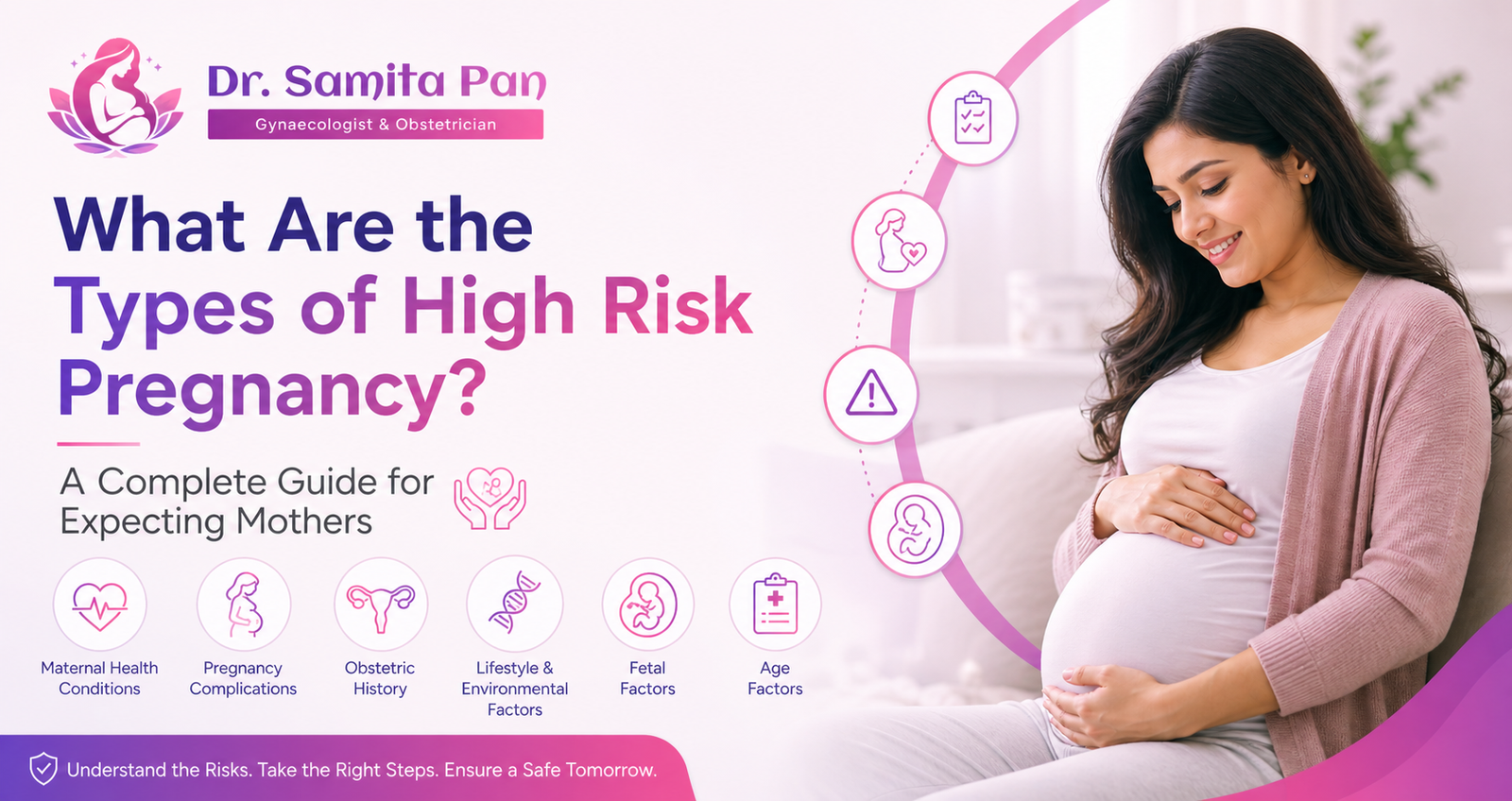
Pregnancy is a life-changing journey—but not all pregnancies follow the same path. Some require extra medical attention due to certain health conditions or complications. Understanding the types of high risk pregnancy can help expecting mothers take proactive steps for a safer and healthier experience.
In this guide, we’ll explore different types, causes of high risk pregnancy, key high risk pregnancy factors, the impact of high risk pregnancy age, and when to visit a specialized high risk pregnancy center.
What is a High Risk Pregnancy?
A high-risk pregnancy is one where the mother, baby, or both are at increased risk of health complications before, during, or after delivery.
This doesn’t mean something will definitely go wrong—it simply means that extra care, monitoring, and medical support are needed.
Types of High Risk Pregnancy
Let’s break down the most common types of high risk pregnancy to help you better understand your situation:
1. Pregnancy with Pre-existing Medical Conditions
Women who already have certain health conditions before becoming pregnant fall into this category.
Common conditions include:
- Diabetes
- High blood pressure (hypertension)
- Thyroid disorders
- Heart disease
- Kidney disease
Why it’s high risk:
These conditions can affect fetal growth, increase complications during delivery, and require constant monitoring.
2. Pregnancy with Pregnancy-Induced Conditions
Some women develop complications during pregnancy itself.
Examples include:
- Gestational diabetes
- Preeclampsia
- Eclampsia
- Pregnancy-induced hypertension
Why it’s high risk:
These conditions can develop suddenly and may lead to premature birth or complications if untreated.
3. Multiple Pregnancy (Twins, Triplets, or More)
Carrying more than one baby increases the complexity of pregnancy.
Risks include:
- Preterm labor
- Low birth weight
- Increased strain on the mother’s body
4. High Risk Pregnancy Due to Age
Age plays a crucial role in determining pregnancy risk.
Young Mothers (Below 17)
- Higher risk of anemia
- Premature birth
- Nutritional deficiencies
Advanced Maternal Age (35 and Above)
- Higher chance of chromosomal abnormalities
- Increased risk of gestational diabetes
- Greater likelihood of cesarean delivery
This is why high risk pregnancy age is an important factor in prenatal care planning.
5. Pregnancy with Lifestyle-Related Risks
Lifestyle choices can significantly impact pregnancy health.
Risk factors include:
- Smoking
- Alcohol consumption
- Drug use
- Poor nutrition
- Lack of prenatal care
These habits can lead to complications like low birth weight, birth defects, or premature delivery.
6. Pregnancy with History of Complications
If you’ve had complications in previous pregnancies, your current pregnancy may be considered high risk.
Examples:
- Previous miscarriage
- Preterm birth
- Stillbirth
- Cesarean delivery history
7. Placental Complications
The placenta plays a vital role in nourishing the baby. Any issues here can be serious.
Types include:
- Placenta previa (placenta covering cervix)
- Placental abruption (placenta detaching early)
8. Fetal Complications
Sometimes the risk is related to the baby’s health.
Examples:
- Genetic disorders
- Growth restrictions
- Congenital abnormalities
Causes of High Risk Pregnancy
Understanding the causes of high risk pregnancy helps in prevention and early intervention.
Medical Causes
- Chronic illnesses (diabetes, hypertension)
- Hormonal imbalances
- Infections
Genetic Causes
- Family history of genetic disorders
- Chromosomal abnormalities
Environmental Causes
- Exposure to toxins
- Radiation
- Unsafe working conditions
Lifestyle Causes
- Smoking or alcohol
- Poor diet
- Lack of exercise
High Risk Pregnancy Factors You Should Know
Certain high risk pregnancy factors increase the chances of complications:
- Age (below 17 or above 35)
- Obesity or underweight
- Multiple pregnancies
- Pre-existing medical conditions
- Poor prenatal care
- Stress and mental health issues
Being aware of these factors helps in early detection and better management.
Signs That Indicate a High Risk Pregnancy
While types and causes are important, recognizing warning signs is equally crucial.
Watch out for:
- Severe abdominal pain
- Heavy bleeding
- Blurred vision
- Sudden swelling
- Reduced baby movement
- Persistent vomiting
If you notice any of these, seek medical help immediately.
Importance of a High Risk Pregnancy Center
Managing a high-risk pregnancy requires specialized care. Visiting a dedicated high risk pregnancy center ensures:
- Advanced diagnostic facilities
- Expert gynecologists and specialists
- Continuous fetal monitoring
- Emergency care readiness
Such centers are equipped to handle complications and provide personalized care plans.
How Are High Risk Pregnancies Managed?
Effective management improves outcomes for both mother and baby.
1. Regular Monitoring
Frequent checkups help track the baby’s growth and detect issues early.
2. Customized Treatment Plans
Doctors tailor treatments based on individual conditions.
3. Medication and Therapy
Used to control blood pressure, diabetes, or infections.
4. Lifestyle Adjustments
- Healthy diet
- Adequate rest
- Stress reduction
- Light physical activity (if advised)
5. Delivery Planning
In some cases, early or cesarean delivery may be recommended for safety.
Can You Prevent High Risk Pregnancy?
Not all high-risk pregnancies can be prevented, but you can reduce risks by:
- Planning pregnancy at the right age
- Managing chronic conditions
- Taking prenatal vitamins
- Maintaining a healthy lifestyle
- Attending regular prenatal visits
FAQs:
What are the types of high risk pregnancy?
They include pregnancies with medical conditions, age-related risks, multiple pregnancies, lifestyle-related risks, and pregnancy-induced complications.
What age is considered high risk for pregnancy?
Pregnancy below 17 and above 35 is considered higher risk.
What are the main causes of high risk pregnancy?
Common causes include medical conditions, genetic factors, lifestyle habits, and previous pregnancy complications.
Can a high-risk pregnancy be successful?
Yes, with proper medical care and monitoring, most high-risk pregnancies result in healthy outcomes.
When should I visit a high risk pregnancy center?
If you have underlying health issues, are over 35, or experience complications, consult a specialized center immediately.
Expert Tips for Expecting Mothers
- Don’t ignore unusual symptoms
- Follow your doctor’s advice strictly
- Maintain a balanced diet
- Stay physically active (as advised)
- Keep stress levels low
- Track fetal movements regularly
Conclusion
Understanding the types of high risk pregnancy empowers you to take control of your health and make informed decisions. Whether the risk arises from age, medical conditions, or lifestyle factors, early diagnosis and proper care are key to a successful pregnancy.
With advancements in medical science and access to specialized high risk pregnancy centers, managing complications has become more effective than ever.
Concerned about your pregnancy risks?
Get expert guidance from Dr. Samita Pan, a trusted gynecologist specializing in high-risk pregnancy care. Early intervention can make all the difference for you and your baby.
Read More:
- Best Gynecologist in Kolkata for Pregnancy: Your Complete Guide to Expert Care
- Who is the Best Gynecologist in Phoolbagan in Kolkata ?
- Early Pregnancy Scan: Step-by-Step Guide for Expecting Moms
Visit Us: